(+254) 794 864 438
Written by: PAKPRO Communications
Lessons from the Chobo ball, there was a time when no one used the word “sustainability,” yet we were already practicing it.
Millennials may remember this, long before recycling became policy or packaging became a national conversation, children across Kenya were quietly demonstrating circular economy principles on dusty playgrounds. To jog your memory, they would gather discarded plastic bags, bread wrappers, snack packets and begin a familiar ritual. The plastic was folded tightly into itself, layer upon layer, pressed into shape, then bound carefully with sisal string. It was a perfect balance of using these materials to create either a soft or hard ball. You and your friends debated on what worked best for your ball. What emerged was simple, durable, and deeply symbolic.
No one had to buy it, inflate it, or wait for the perfect pitch. The chobo ball came together with what was already there and what was available was often discarded packaging. What some adults saw as litter, children saw as raw material.
On uneven grounds in estates, villages, and informal settlements, the chobo ball rolled through entire childhoods. It brought joy, ringing laughter, It absorbed ambition. It carried imagination. It survived tackles, gravel, rain, and the fierce loyalty of neighborhood rivalries. For many, it was the first football they ever owned, even if ownership was shared by an entire block.
The chobo ball is not just nostalgia. It is a lesson.
It reminds us that in Kenya, resourcefulness is not imported; it is instinctive. We have always understood, intuitively – that materials have value beyond their first use. The challenge today is not creativity. It is scale.
Our packaging has changed. We now consume more bottled water, more snacks, more household goods wrapped in plastic, cartons, laminates, and woven materials. Packaging protects food, keeps products safe, and supports modern commerce. But once it has served its first purpose, it faces a crossroads.
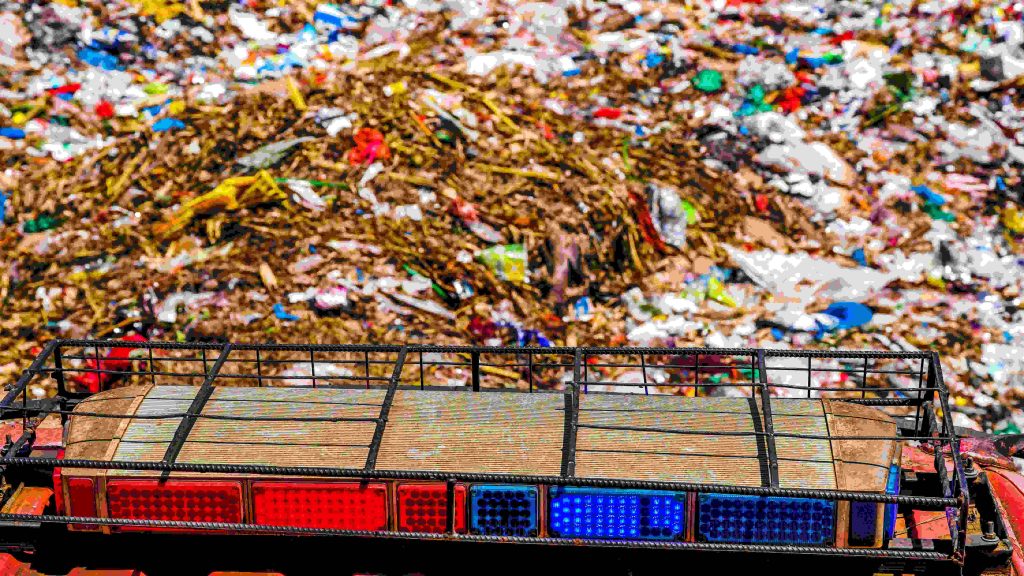
If discarded carelessly, it clogs drains, pollutes rivers, and burdens communities. If collected and sorted, it becomes something else – recycled materials, new products, alternative energy, livelihoods. If thrown away carelessly, it blocks drains, dirties rivers, and affects our communities. But if it is collected and sorted, it can become something useful, new products, energy, even someone’s income. The difference is simple. It depends on having the right systems and on all of us playing our part.
Across the country, thousands of waste pickers, aggregators, and recyclers are building those systems every day. Households are learning to separate materials. Businesses are investing in recovery solutions. What once felt like a nuisance is steadily becoming an economic opportunity.
In many ways, the spirit of the chobo ball is still alive.
It lives in the waste picker who understands the value of a bottle. It lives in the child who does not litter. It lives in the small recycling business that sees possibility where others see inconvenience.
The story of the chobo ball is not about poverty. It is about ingenuity. It is not about scarcity. It is about imagination under constraint. And perhaps most importantly, it is about the quiet truth that value is often hiding in plain sight.
The next time you hold an empty bottle or a snack wrapper, pause for a moment. That material is not at the end of its story. In the right hands, with the right systems, it can begin again.
After all, long before we called it circular economy, we were already playing with it.
Perhaps the spirit of the chobo ball is not just a memory. It is something we can carry with us today. Every bottle or wrapper we finish using still has value. When we choose not to litter, reduce our waste, when we sort our waste, when we use the right bin, we help keep our streets and rivers clean and support the people who earn a living from recycling. A cleaner Kenya begins with small, simple choices – the same practical thinking that once turned discarded packaging into a game that brought us together.